
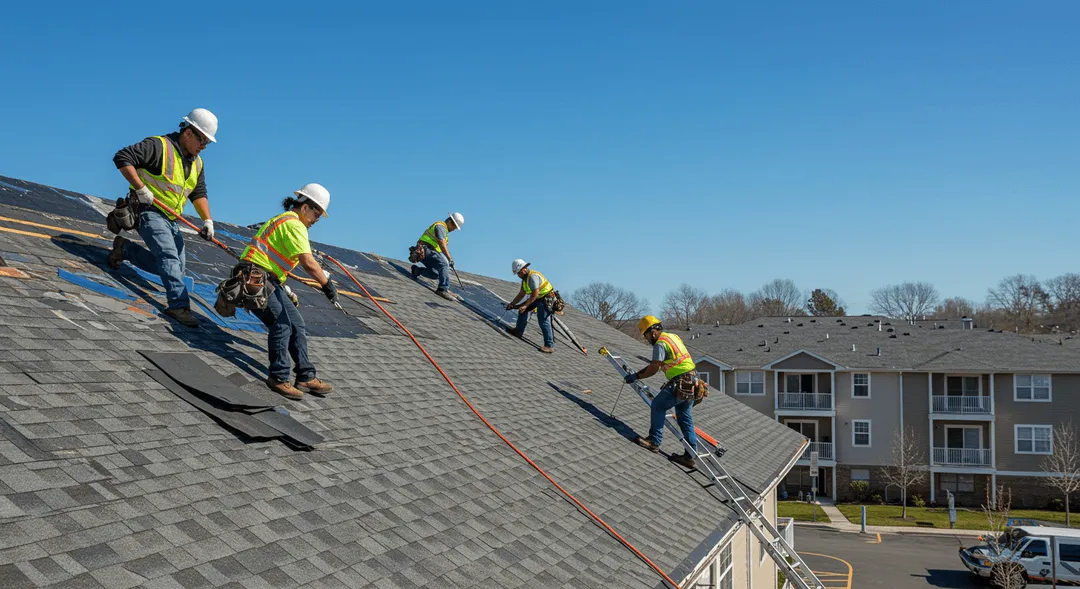
6 House Roof Issues That Homeowners Should Inspect Before the Weather Warms
The season that may cause the greatest harm to your roof is winter season. Ice and snow are forces that can take weeks or even months to completely melt and lead to a variety of problems that can expose your roof and make it weak.
It is spring, and we are getting several rainfalls in sight. The mix of excess water and a poorly built roof can bring about consequences such as the growth of molds, structural damage, and an increase in pests.
Some of the most frequently recurring winter roof problems that house owners should check in the spring to avoid expensive future repairs are discussed below.
Cracked or Lifted Shingles
The severe winter winds, ice, and soaring temperatures may cause the shingles to lose their glue seal, resulting in gaps and cracks.
The roofing is susceptible to the spring rains, which might result in water entering the inside. This is one of the risks that may cause rotten decking or mould. It may lead to ruined ceilings internally, as well.
Obstructed or broken Drain Spouts and Gutters.
Build-up of the snow and ice may end up covering your drains, spouts, and gutters and lead to excess water overflow, which will damage your siding, roofing, and landscaping.
Water and debris weight may lead to the sinking of the gutter or even the tearing away of your house gutters altogether, which would be a very expensive repair. Sloped gutters with wet waste may also raise the chances of becoming a target of pests, whether rodents, birds, or insects, which may use it as a nesting place.
Ice Dam Damage
Ice dams are an evil menace of winter. They develop when the heat is emitted from the attic, which thaws the snow that is upon the roof. Then it re-freezes in the eaves of the attic. This leads to a coating of ice, which may permanently damage your house.
A rise in temperature and a movement of ice dams can make the water creep under your roofing, thereby making the inside of your house leak water.
Sagging Rooflines
Snow and ice can lead to a reduction of the rooflines or cause them to bend. It is typically an indicator of structural damage that must be something that is needed to be addressed by a qualified professional urgently.
The roofline may fully collapse in case of a sagging roofline, which may do severe damage to the internal walls, foundations, and walls of your home. Mending that might cost tens of thousands of dollars.
Loose Flashings
Flashings are a slender substance, typically a metallic one, such as copper or aluminum, that is installed on joint points and penetrations on walls and roofs, such as chimneys, vents, valleys, windows, and other openings. They serve as a water barrier that prevents water infiltration.
Flashings are therefore likely to wear out or lose strength, which is caused by the harsh winter conditions and the changes in temperatures, and are some of the most common causes of roof leakage.
Exposed Fasteners
Massive falls of snow, variations in temperatures, and melting ice may put pressure on fasteners, attaching the roofing material to your house. The fasteners might be forced up when your roof gets bigger and smaller.
When they are exposed, they leave hundreds of holes on the roof, which in essence allow water to get in. A professional will make sure that these holes are closed before the beginning of the season, and in the case of ruthless rainstorms.