
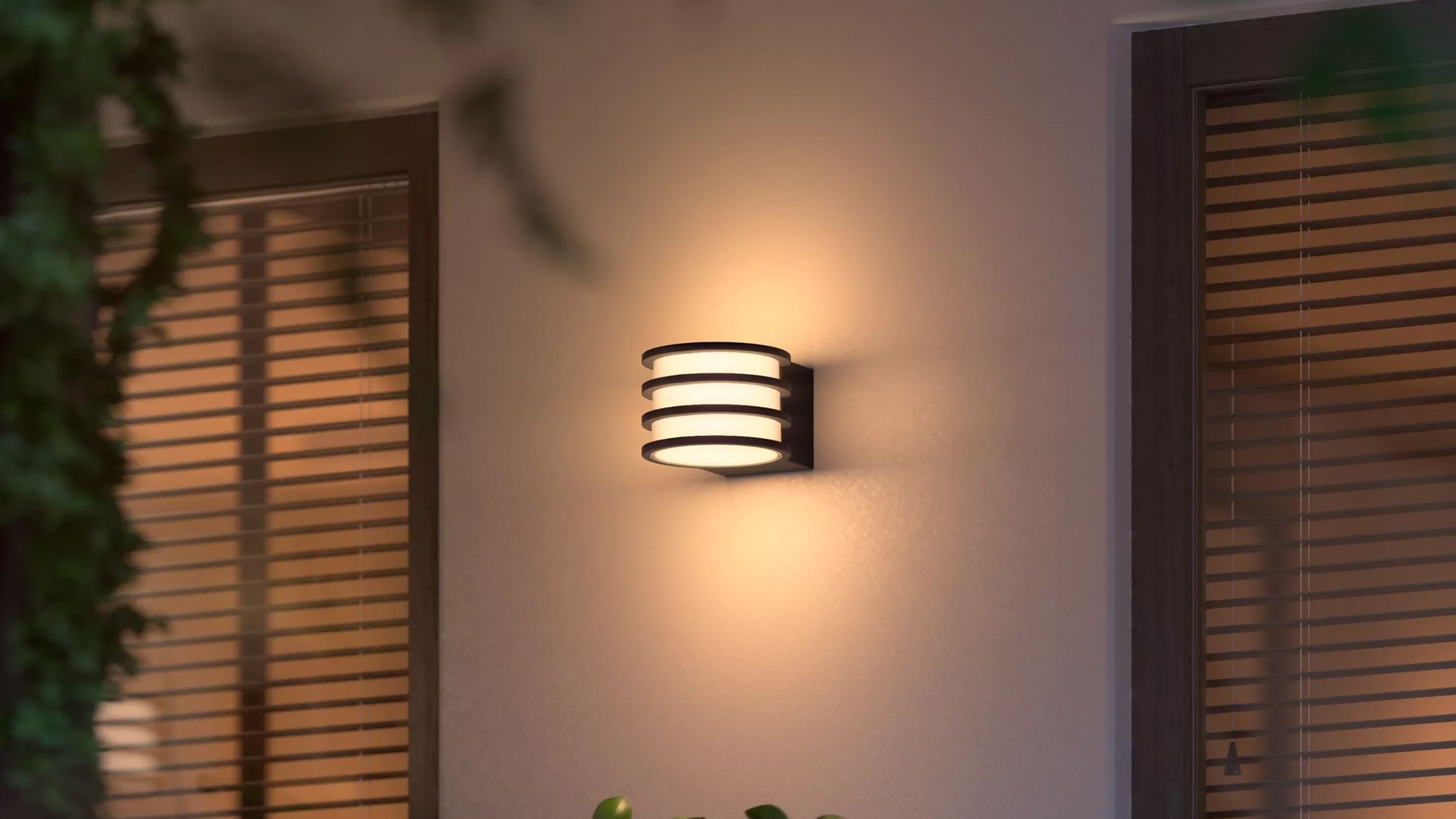
Cristher: Ultimate Guide to Professional Exterior lighting
In a neighborhood of a silent street right after sunset, the distinction between a dull house and a magnificent one can often lie in light. Not the dull light of floodlamps and the weak light of old fashioned bulbs, but thoughtfully selected exterior lighting which creates mood, safety and identity. To the homeowners, designers, and businessmen, lighting has been secretly turned into a stamp. At that turn, Cristher comes into the conversation.
Cristher has been attracting the attention of architects, builders and property owners seeking exterior lighting that is a combination of durability and elegant design. Lighting is no longer a byword as outdoor space is amended to be an extension of indoors living. It is experience, infrastructure and branding.
The Renaissance of Exterior Lighting
Exterior lighting during decades was utilitarian and unmemorable. Install a porch light, some pathway fixtures and that is it. However there are changes in the way people treat the outside spaces. The city lifestyle has also moved social life to the outer, and suburban house owners are spending more money on facade and improved lifestyle.
This change has brought about the need to have lighting solutions that are weather resistant and at the same time, architecturally expressive. Lighting is becoming a narrative layer of designers. It is a way that restaurants build ambience, real estate developers build by signalling quality at the top end, and homeowners build by creating identity.
Within that dynamic environment, Cristher has been able to establish itself as a middle ground between professional level performance and design oriented style.
What Makes Cristher Different
Outside lighting brands may initially appear to be fungible. Brassless metallic finishes, LED promises and audacious promises regarding life span. The distinction however is usually found under the surface, in engineering decisions and design ideology.
Cristher is exceptional in that it looks at outdoor lighting as a long term investment and not as a decorative tool. It is centered on resilience, minimalism, and adaptability. Most of its fixtures are constructed using materials that are capable of withstanding the climate of the coastal areas, downpours and variations in temperature without affecting the look.
There is also design restraint that is important. Cristher is inclined towards modest forms that do not fight with architecture but that are supportive of it in comparison with oversized fixtures that overtake the architecture. The latter philosophy is similar to contemporary architecture when simplicity tends to imply sophistication.
Application of Lighting in Property Values in the Present Day
The exterior lighting has become a financial choice as well as an aesthetic choice to entrepreneurs involved in real estate or hospitality. The lighting is also capable of directly affecting the perceived value of property, customer occupancy time, and even safety indicators.
Properly lit houses are better photographed, sell quicker and fetch high rents. Lighting in a hospitality environment determines the length of stay and customer satisfaction with the room. A properly illuminated terrace will increase the time of use and increase the perceived luxury.
This economic fact is one of the reasons behind the rising popularity of Cristher. Lighting has become not a niche investment anymore. It belongs to a greater plan of developing physical spaces that are memorable in a digital world.
The role of Cristher Fits within the Professional Ecosystem
In order to figure out how it is relevant, it is useful to realize where Cristher fits into the larger ecosystem of lighting. It is not targeted as mass-market DIY lighting, or high end custom installations. Rather, it sits in a midpoint between professionalism and design but without the technicalities of made-to-order production.
Foreseeable performance is valued by architects. Constructors like simplicity in installation. Owners of properties are fond of fixtures that have an elegant passage of time. This overlap of priorities is the reason why the brand is becoming more and more common in boutique hotels, contemporary residential construction, and boutique commercial spaces.
Technology Behind the Glow
Lighting on the outside has unobtrusively become a type of technology. LEDs changed the energy consumption, yet this was not the end of innovation. The fundamental differenceiators are now thermal management, weatherproof sealing and smart compatibility.
Cristher fixtures have a tendency of placing an emphasis on thermal efficiency which prolongs the life of LEDs and maintains the color consistency. It is more important than most people think. The color changes with time can appear as being uneven as well as in poor condition particularly when the various fixtures do not fade at the same rate.
Smart integration is another thing which evolves. Although all projects do not demand the use of the app-controlled lighting, the possibility to be connected to the wider automation systems is becoming more and more appreciated. Intelligent lighting that is able to be triggered by schedules, movement or environmental states introduces an additional level of intelligence, which is in line with the modern building trends.
Design Meets Durability
The open world is unkind. Seawater rusts, water weeps and UV rays corrode paint. A lot of fixtures are attractive as they are in magazines, but they degrade so fast after being put up.
Part of the reason why Cristher has gained a reputation is the fact that it has filled this gap in durability. The choice of materials and finishes is determined on long-term exposure, rather than the appeal of the showrooms. To the property developers and the facility managers, this saves replacement cycles and maintenance expenses.
The brand perception is also influenced by durability. Exterior lighting that has managed to withstand the time impression adds to the impression of quality building. The realization of that faint sense of psychology is valued in high end markets where information is being transmitted that is credible.
A Practical Look at Use Cases
These lighting strategies are required in different environments. An example of how a lighting brand is flexible is seen in real world use.
This flexibility presents the reason why the brand is cross-sectoral. It does not need to specialize in a certain environment, but is designed to suit a variety of settings, with a limited number of design languages.
The Psychology of Exterior Light
Lighting influences perception in a way that is more profound than many individuals would imagine it to be. It has an impact on the perception of the safety of a location, the friendliness of a property, and the way people recollect an experience.
Soft diffused light can be a source of comfort and closeness. Lower tones are an indicator of accuracy and contemporary. Movement may be directed by the positioning of fixtures or by accentuating textures or establishing areas of focus that covertly influence behavior.
The design direction of Cristher is in this psychological direction. Instead of excessive light, it is covered with shaded light which appears deliberate. This is particularly significant when it comes to the settings where functionality is of secondary importance as compared to the emotional experience.
The Reasons why Entrepreneurs Need to Listen
In a digital economy, physical spaces are important even to founders and business owners. Hotel, retail, and real estate are all businesses that depend on sensory experiences which are impractical to reproduce via the internet.
Among the upgrades that provide the best perception to cost ratio is exterior lighting. With a well-considered approach to lighting, one can recreate a quality experience in a store that would have been a generic store without significant structural alterations.
This layer is not given much attention by entrepreneurs who develop physical brands until late in the development. However, the ones that incorporate lighting at an early stage are more likely to establish more unified spaces. What is attractive in this segment of Cristher is that it provides a professional finish without the need to intensively learn about the insight of deep lighting.
Sustainability and Future of the Outdoor Lighting
Sustainability is changing the type of products in any industry, and lighting is not an exception. Energy efficiency has become a minimum requirement, and the discussion is moving outwards to longevity and material responsibility.
The longer-term fixtures minimize life cycle costs and wastage. Effective thermal design reduces the use of energy. Minimalist structures tend to consist of less but still standing together.
Cristher is in line with such trends because it does not emphasize on disposable design cycles, but on durability and efficiency. Longevity itself becomes a feature of sustainability in a market that is growing more of an environmentally conscious market.
Selecting the Most Appropriate Exterior Lighting Strategy
The choice of exterior lighting is not one of selecting fixtures, but of purpose. Ambience, security, branding, or all? The response determines the brightness of the lights as well as the positioning of the fixtures.
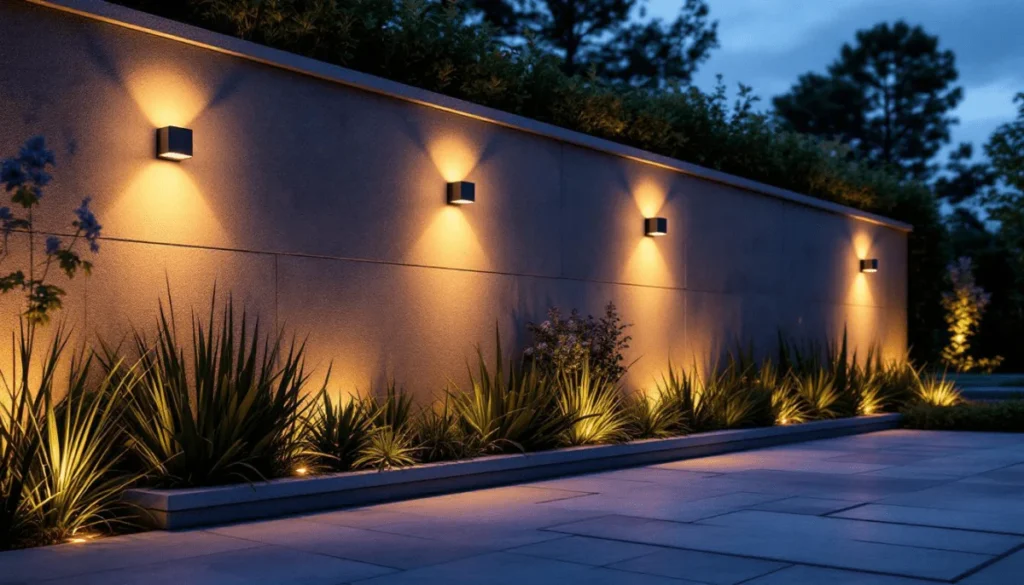
A multi-level strategy is usually effective. Pathway lighting enhances movement, wall-mounted lights add rhythmic visualization and accent lighting emphasizes the building elements. Once these layers are combined, the effect is integrated, as opposed to disjointed.
This layered strategy is backed by the philosophy of Cristher products. Rather than single hero products, much of its lighting fixtures are created to serve as a component of a unified lighting story.
Essentials of Lighting Development as Identity
Visual identity is no longer limited to logos and interiors as cities become more compact and attention spans become smaller. Outside lights are now a very minor yet effective tool of branding.
Consider the fact that some hotels look immediately familiar at night, or that a house with a lot of light does not look like it is flaunting its riches. Lighting creates memory. It establishes shadow figures and forms the perceptions of first sight without any one going in.
Here is where considerate brands have an advantage. Cristher has entered the consciousness of a growing number of people that lighting is not mere infrastructure but also identity by being restrained and reliable.
Conclusion
The use of exterior lighting has been silently made to evolve as a technical requirement to a strategic choice of design. It affects safety, perception, property value and emotional experience in a manner that is mostly underestimated. Cristher is an indication of a new direction in lighting that is practical and deliberate in that changing landscape.
To entrepreneurs, designers and property owners, the moral of the story is not complicated. The spaces that people recollect are hardly characterized by scale. The definition of those spaces is their feel. And more than ever, that sentiment originates in light. With the outdoors environment seeming to become an increasing part of our lives and our workplaces, the investment in thoughtful lighting will transition to the essential course of action, rather than an upgraded option.