
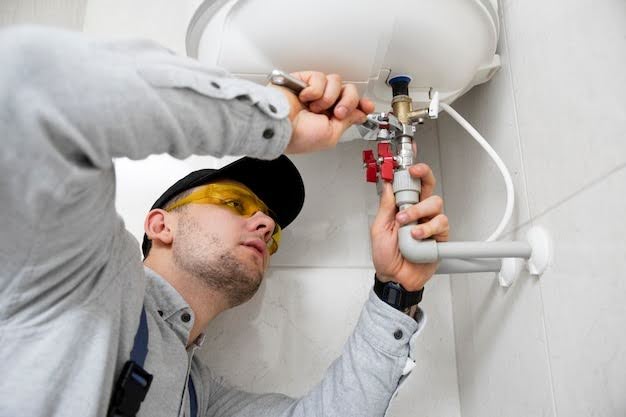
Essential Water Heater Maintenance Tips for Better Performance
Hot water supports daily comfort, but your heater needs regular care to work safely and efficiently. Water heater maintenance can reduce sediment, reveal problems early, and support steady heating. The right routine depends on your model, so follow its manual. Routine checks are easier when they are recorded on a simple calendar.
1. Check the Temperature Setting
Many households use a setting near 120°F, but needs and safety guidance can vary. Water heater maintenance should include checking the thermostat and noticing sudden temperature changes.
If water is dangerously hot or fails to heat, ask a technician to inspect the controls. Do not open gas or electrical compartments yourself. Avoid frequent temperature adjustments, since stable settings make performance easier to monitor.
2. Remove Sediment Buildup
Minerals settle inside storage tanks and may cause noises, slower heating, and lower efficiency. Flushing removes loose deposits, but timing depends on water hardness and the model.
Water heater maintenance differs by system: tankless units need descaling rather than a tank flush. Turn off the energy supply and let water cool before draining; hire a professional if unsure. Hard water may require more frequent attention than softer water supplies.
3. Inspect the Anode Rod
Many storage heaters contain a sacrificial anode rod that protects the tank from corrosion. It wears down over time, so ask a plumber to inspect and replace it according to the manual.
Including this check in water heater maintenance helps protect the tank, particularly where water chemistry speeds corrosion.
4. Look for Leaks and Corrosion
Check the tank, connections, valves, and floor for moisture, rust, or mineral stains. Small leaks can cause costly damage. Water heater maintenance also means noticing unusual smells, discoloured water, or pressure changes.
If you find active leaks, corrosion, or water near electrical parts, shut the unit down only if safe and call a professional. Also inspect nearby flooring and keep stored items away from the heater.
5. Keep Safety Components in Good Condition
The temperature and pressure relief valve releases excess pressure. Inspection should follow the manual and be done by a qualified person when required. Never block its discharge pipe.
Water heater maintenance for gas models also needs professional burner, vent, and air-supply checks. Leave gas, electrical, and safety repairs to trained technicians.
6. Schedule Professional Servicing
A professional check can identify worn parts, scale, venting concerns, and other problems. Tankless systems may need filter cleaning and heat-exchanger descaling; heat-pump models have separate filter and condensate needs.
Water heater maintenance works best when you keep service records and follow your model’s manual. Never restart a drained tank until it is completely refilled. Regular servicing can also confirm that safety controls respond as intended.
Final Thoughts
Regular care supports reliable operation and helps prevent avoidable repairs. Water heater maintenance should reflect your equipment, water quality, and manufacturer recommendations. Watch for warning signs and seek expert help with hot water, pressure, gas, or electrical tasks. A safely maintained heater is more likely to provide dependable hot water. Keep the area clean, dry, and accessible year-round.