
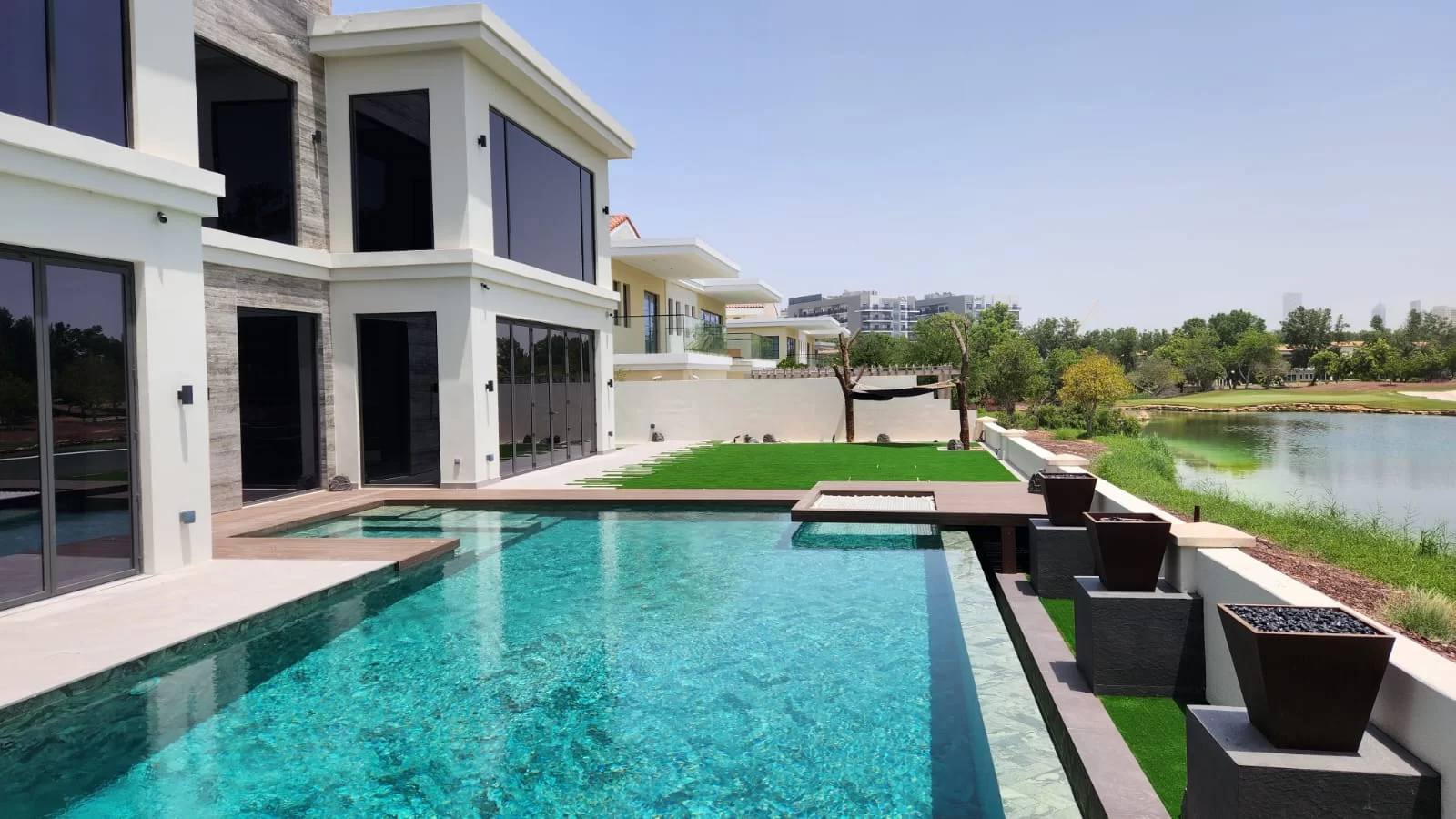
Essential Tips for Building and Maintaining the Perfect Swimming Pool
A swimming pool is one of the most rewarding investments a property can receive, but its value depends entirely on the quality of its construction and the consistency of its maintenance. The difference between a pool that serves a family joyfully for decades and one that becomes a source of frustration and expense lies in the decisions made before the first shovel breaks ground and the habits established once the water is flowing.
Defining Your Vision Before a Single Shovel Breaks Ground
The most successful pool projects begin with a clear, detailed understanding of how the pool will actually be used. A family with young children needs different depth profiles and safety features than a household focused on lap swimming or adult entertaining. Shape, size, surface finish, and feature selection all follow from the primary use case. Investing time in clarifying these priorities before approaching contractors ensures that every conversation moves toward the pool you actually want rather than the one that happens to be easiest to sell.
Selecting the Right Builder for Your Project
Pool construction is a specialist trade, and the quality gap between experienced professionals and less qualified operators is significant. An experienced pool builder brings engineering knowledge, material expertise, and project management capability that determine whether the finished pool performs as designed or requires early and expensive remediation. Visiting completed projects, checking references from past clients, and verifying licensing and insurance before any contract is signed are minimum steps in responsible contractor selection.
Material and Design Choices That Determine Long-Term Performance
Pool construction materials shape not only the initial appearance of the finished pool but its maintenance requirements, durability, and operating costs for years to come. Gunite and shotcrete construction offers unmatched design flexibility. Plaster and aggregate finishes each have distinct aesthetic and maintenance characteristics. Equipment selection — pumps, filtration, heating, sanitization — determines operating efficiency and reliability in ways that affect every swim session and every utility bill throughout the pool’s life. These decisions deserve careful research rather than acceptance of default recommendations.
Establishing a Maintenance Routine That Keeps Your Pool at Its Best
A pool that is not consistently maintained deteriorates faster than most owners anticipate. Professional pool maintenance services handle the chemistry monitoring, equipment inspections, and cleaning that keep water safe, surfaces protected, and mechanical components functioning correctly. For owners who prefer hands-on involvement, understanding the basics of pH balance, sanitizer levels, and filter maintenance provides the knowledge needed to sustain water quality between professional visits and identify when conditions have drifted outside safe parameters.
Common Maintenance Mistakes That Cost More Than They Save
Deferred maintenance is the single most common driver of premature pool deterioration. Allowing water chemistry to drift, ignoring early signs of surface staining, postponing equipment servicing, and winterizing inadequately are all decisions that create significantly larger repair bills than the maintenance they avoided would have cost. Running filtration for insufficient daily hours, failing to manage algae before it establishes, and neglecting automatic cleaners that keep debris loads manageable all compound into conditions that shorten the pool’s effective service life.
Conclusion
A beautifully built and consistently maintained pool provides enjoyment, property value, and daily quality of life that fully justifies the investment it represents. The keys to this outcome are well-made decisions at the design and construction stage, disciplined attention to maintenance throughout the ownership period, and professional support when the complexity of the work exceeds what the owner should address alone.