
How to Choose Between Residential Laminate Flooring and Wood Flooring
Flooring decisions affect the look, feel, and value of a home for many years after installation. With so many materials available, choosing between practical options and classic favorites can feel like a difficult balancing act. Understanding the strengths of each type makes that decision much simpler for homeowners planning a renovation or new build. Weighing the strengths of each material against everyday needs makes the decision far less overwhelming.
What to Consider Before Choosing New Flooring
Budget, lifestyle, and room usage all play a role in determining which flooring material fits best. Homes with children or pets often need surfaces that resist scratches and spills more effectively than delicate finishes. Climate and humidity levels also affect how certain materials expand, contract, or hold up over time. Thinking through these factors early prevents costly mistakes once installation begins. Long-term plans for a home, including resale, also influence which material makes the most sense.
The Practical Appeal of Residential Laminate Flooring
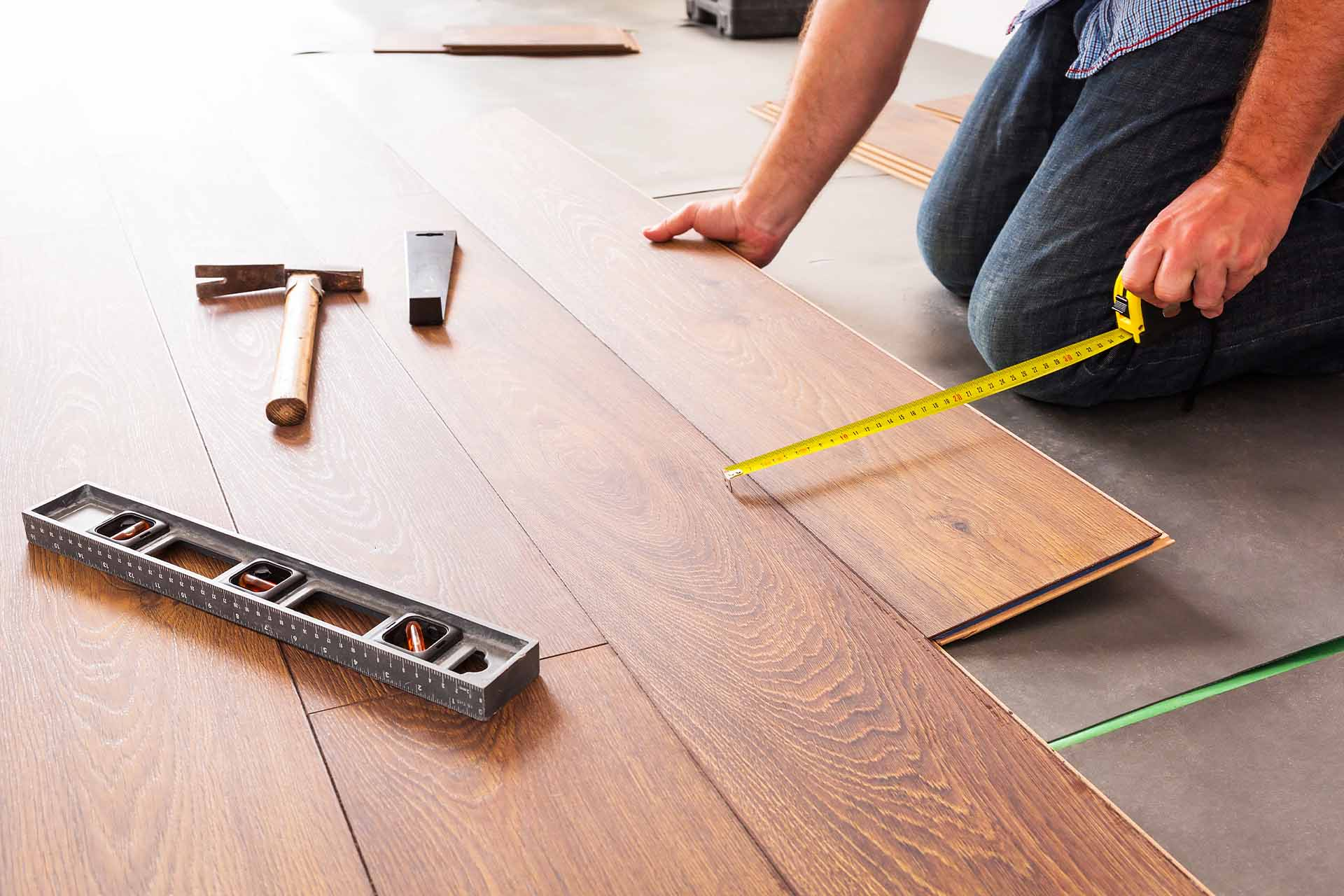
Choosing residential laminate flooring offers an affordable way to achieve the appearance of wood without the higher price tag or maintenance demands. This material resists scratches, stains, and moisture better than many natural alternatives, making it a strong fit for busy households. Installation also tends to be quicker and less disruptive, since laminate often clicks together without extensive prep work. These practical advantages make it a popular choice for homeowners balancing style with everyday durability.
Understanding Long-Term Durability Differences
Durability varies significantly depending on the specific product and how a floor gets used daily. High-traffic areas benefit from harder, more scratch-resistant surfaces, while quieter rooms can accommodate more delicate finishes. Moisture exposure remains a major factor as well, since certain materials handle humidity and spills far better than others. Considering these long-term factors helps avoid replacing flooring sooner than expected. Comparing warranty terms across different products also reveals meaningful differences in expected performance.
The Timeless Value of Traditional Wood Flooring
Solid wood brings a warmth and authenticity that many homeowners feel synthetic materials cannot fully replicate, especially in living rooms and entryways where first impressions matter most. Beyond appearance, this material can be sanded and refinished multiple times, extending its usable life far beyond many alternatives. Buyers often view wood flooring as a premium feature, which can positively influence a home’s resale value. These qualities explain why it remains a lasting favorite despite newer options entering the market.
Matching Flooring Choices to Specific Rooms
Different rooms often benefit from different flooring materials based on moisture exposure and daily use patterns. Kitchens and bathrooms typically require more water-resistant options, while bedrooms and living rooms allow more flexibility in material choice. Matching flooring to each room’s specific demands prevents premature wear and unnecessary replacement costs. Thoughtful planning room by room creates a more cohesive and practical result throughout the entire home. Consulting a flooring specialist before finalizing choices often prevents costly mismatches later on.
Conclusion
Choosing the right flooring ultimately depends on balancing budget, durability, and personal style preferences. Both practical and traditional options offer distinct advantages depending on lifestyle and long-term goals. With careful consideration of each room’s needs, homeowners can select flooring that looks great and holds up for years to come. Either choice, made thoughtfully, can serve a household well for many years to come.