
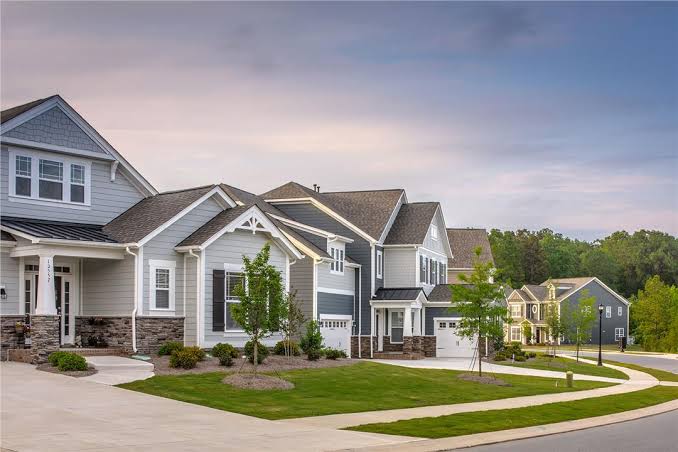
Things to Check Before Buying New Construction Homes
Buying a new home is a major investment in your life, and it’s important that you closely check the space from every angle to make an informed decision.
In today’s article, we’ll share some points you must carefully consider before you make that decision.
Let’s start.
Location of the House
Location dictates your daily life and the property’s future value. So, when looking at new construction homes, you must look beyond the property line to inspect the surrounding neighborhood.
First, check safety ratings and local crime reports, the quality and distance of nearby schools, and your daily commute traffic patterns. You can also walk or drive through the area at different times of day (like early morning or late at night). This will help you thoroughly observe noise levels and street lighting. Lastly, the proximity to grocery stores, parks, and hospitals also matters a lot.
Check Structural Condition and Foundation
If a house has strong structural integrity, you’ll avoid costly repairs later. So, inspect the exterior foundation, basement, and crawlspaces for signs of water intrusion. You can also check the roof for age or rusted flashing.
Then, look closely at interior walls and ceilings for water stains. And never forget to hire an independent home inspector to thoroughly evaluate the structural systems before signing the final purchase agreement.
Total Budget and Hidden Costs
So, a home’s listing price is only the starting point of your financial commitment. You must calculate your complete monthly outlay by factoring in mortgage principal, property taxes, homeowner’s insurance, and utility bills.
If the property belongs to a Homeowners Association (HOA), verify the monthly or annual dues, read the bylaws, and check how well-funded the association’s reserve account is to avoid surprise assessments.
Lastly, set aside a dedicated emergency fund for immediate post-move-in repairs so those things never catch you off guard.
Title, Ownership, and Legal Documents
The person selling the home must hold clear and legal title to the property. It’s your right to request official ownership documents, title deeds, and property registration certificates to confirm there are no active boundary disputes or bank leases attached to the land.
You must also check local municipal zoning laws and construction guidelines to ensure any past extensions received proper local government approval.
Running a title search through a professional title company or land registry office generally protects you from inheriting any legal claims from the previous owner.
Work on Home Decor After Buying the House
Now, once you’ve bought the house, you can focus on home decor to turn a blank, impersonal structure into a functional sanctuary that reflects your lifestyle.
For example, filling a space with colors, art, and furniture that match your taste gives you a true sense of emotional attachment. And then those layout choices and furniture scale ensure that every square foot works for your daily routine – whether you have children, pets, or work from home.
And if you’re planning to resell it, a well-maintained, decorated home will signal to future buyers that the property has been deeply cared for.
Final Thoughts
Doing proper homework before making that decision will prevent regrets later. You can even work with a professional home inspector, as they’ll properly guide you on all the ins and outs of the property.