
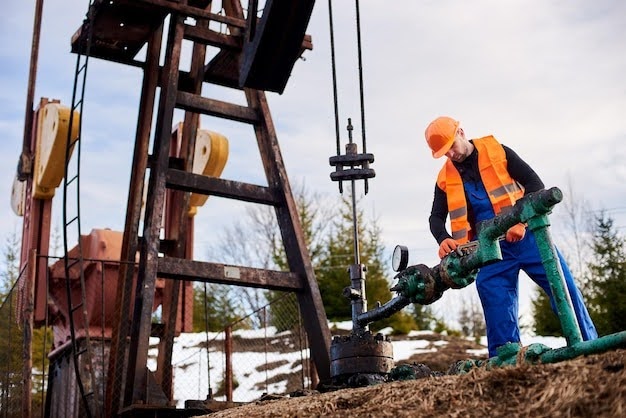
A Complete Guide to Well Drilling for Property Owners
Securing a reliable water source for your property involves understanding the various considerations that go into successfully installing a functional well system from start to finish. Whether you’re building a new home in a rural area or seeking an alternative to municipal water, learning about well drilling helps property owners make informed decisions throughout this significant, long-term investment process.
1. Assessing Your Property’s Water Needs
Before beginning any project, calculating your household’s daily water consumption helps determine what capacity your well system needs to support adequately for everyday use.
Understanding these requirements guides decisions about well drilling depth and pump specifications, ensuring the finished system provides sufficient water pressure and volume for daily activities like bathing, cooking, and irrigation throughout the year.
2. Conducting Proper Site Evaluation
Not every location on your property is suitable for drilling, making professional site assessment an essential first step before any equipment ever arrives on-site.
Experienced well drilling contractors evaluate factors like soil composition, groundwater depth, and proximity to septic systems or other potential contamination sources, helping identify the optimal location for your new water source.
3. Understanding Different Drilling Methods
Various techniques exist for creating wells, including rotary drilling, cable tool methods, and driven point systems, each suited to different geological conditions and depth requirements unique to your land.
Discussing these options with your well drilling professional helps determine which approach best matches your property’s specific soil and rock composition, ultimately affecting overall cost and installation timeline.
4. Navigating Permits and Regulations
Most jurisdictions require permits before drilling begins, along with adherence to specific setback distances from property lines, septic systems, and other nearby structures.
Working with an experienced well drilling company familiar with local regulations helps ensure your project complies with all necessary legal requirements, preventing costly delays or complications during the often lengthy permitting process.
5. Considering Water Testing and Quality
Once drilling is complete, comprehensive water testing becomes essential to confirm the source meets safety standards for drinking water and general household use.
Reputable well drilling services typically coordinate this testing, checking for bacteria, minerals, and potential contaminants that could affect water quality, ensuring your new system provides safe, reliable water for your entire family.
6. Planning for Long-Term Maintenance
Wells require ongoing care, including periodic testing, pump maintenance, and occasional professional inspections to ensure continued reliable performance over many years of use.
Understanding these maintenance requirements before completing your well drilling project helps property owners budget appropriately and establish a maintenance schedule that protects their investment for decades to come without unexpected surprises.
Final Thoughts
Successfully installing a private water source requires careful planning, professional expertise, and understanding of the various factors that influence project success and long-term reliability. By thoroughly researching site conditions, drilling methods, and regulatory requirements before beginning well drilling, property owners can ensure they end up with a dependable water system suited to their specific needs and property. Taking time to work with experienced professionals throughout this process ultimately provides genuine peace of mind, knowing your family has access to safe, reliable water for many years ahead.